Showing posts with label judging others devotion. Show all posts

Friday, February 21, 2020

Accordingly - Ezekiel 7:27


Ezekiel 7:27 According to their way I will deal with them; according to their own judgments, I will judge them. (NRSV)

What a shocking thing it is to realize that God will judge us just as we judge other people. In a culture where Facebook is used to air our grievances, provoke arguments, and battle with our neighbors, what a terrible thing it should be to know that God will treat us exactly the same way we treat others.

Facebook was meant to be a great tool of the new enlightened age; instead, it has become a platform to heighten hostility, spread falsehood, and promote prejudice, especially against the poor, the needy, the powerless, and the alien – all of whom deserve our patience, support, and love according to both the Old and New Testaments.

Sadly, there is a disdainful type of Christianity that is creeping across the internet and permeating our society through the instant channels of social media. Instead of being hailed as people of the Book whose compassion and love make people wonder who are these Christians, we take great delight in nailing each other to our communication crosses in order to impress like-minded Pharisees and skewer the opposition. And even after the damage is done, our compassion is gone, and our self-righteous stinger has made its poisonous impact, we still have this problem with God: He will judge us by our own standards; He will treat us according to our own words and ways.

All of this should make us seriously ponder about those who lead us whether it be religiously, politically, socially, or even leisurely. If we follow those who are constantly berating others or belittling them, then we are tarred with the same brush in God’s eyes. If we choose to excuse bad behavior from those that we should expect more, then we are in danger of becoming both leaderless and rudderless. And if we capitulate our ‘Christianity’ for something or someone that is obviously unchristian, then we are definitely going down the wrong path. As the Apostle John once wrote of the same kind of deluded Christians in his time:

1 John 2:9 Whoever says, “I am in the light,” while hating a brother or sister, is still in the darkness. (NRSV)

And if you think that I’m excusing myself from this issue, then think again. I have done my fair share of name-calling, post-trolling, and stone-walling on Facebook, too, so when I read God’s Word for today, it hit me clearly between the eyes also. Being a Christian is never easy; being self-righteous always is.

Application: Am I guilty of disdaining others because they think, act, or look differently from me? Do I understand that God judges me according to how I judge others? Am I willing to repent, so I can repair and renew my faith in Christ? Am I really a Christian?

Prayer: Lord Jesus, we are not just meant to follow You; we are supposed to witness on Your behalf. We can ask to be forgiven of our prejudices and pride, but with that gift of forgiveness, we are meant to change our ways. Teach us the gravity of knowing that God will treat us exactly as we treat others. Keep us from deluding ourselves or being misdirected. In Your Holy Name, we humbly pray. Amen.

John Stuart is the pastor of Erin Presbyterian Church in Knoxville, Tennessee. Come and join us for worship at 11:00 AM on Sundays. You will be made very welcome😊

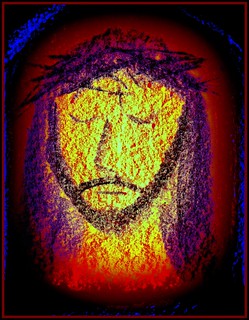
Today’s image is one of John’s latest drawings called “Lent Maker.” If you would like to view a larger version, click this link: Lentmaker.

Tuesday, September 10, 2019

September 10 devotion - Being a Christian


Luke 12:57  (Jesus said)        “Why don't you judge for yourselves what is right?”

There’s a lot of talk these days about Christians being too judgmental. We’re criticized for trying to live according to Christ’s words and sometimes those accusations sting us personally. Consequentially, some people of our faith are afraid of appearing to be judgmental in the eyes of others, so they’ve stopped making judgments altogether. Instead of being the leaven in society in order to change the world for the better in God’s eyes, we’ve become stale. We would rather be respected by others in society, instead of respecting Christ’s own words. We want to be considered broad-minded and open rather than following Christ’s sacred and singular way. And even when our church pastors or Christian teachers mention this, we close off our ears, hearts, and minds to any questioning of our choices or to those suggestions that we are walking on the wrong path.

Jesus also had to deal with this in His own day. He was frustrated by the lack of judgment His people were making with regard to their faith and everyday choices. They could work out what kind of day it was going to be by looking at the color of the sky in the morning, but they couldn’t discern that Christ was among them, challenging their ways, and confronting their choices. Even though the signs of the Messiah were all there before them, they didn’t accept Jesus as the Anointed One. They wanted Him to be shaped according to their plans, their needs, and their beliefs.

“Why don’t you judge for yourselves what is right?” Jesus frustratingly exclaims. In other words, you know what is right, so what is stopping you from choosing it?

Being a 21st century Christian and living a cosmopolitan world is difficult, but whoever said it was going to be easy? When faithful people judge what is right, the world is always going to complain that we are narrow-minded and spiritually closed: yet isn’t that why Christ was crucified? He was totally misunderstood, became unpopular, and was finally executed for daring to judge what was right – perhaps this is why we find it so hard to do the same.

Questions for personal reflection

What makes me a Christian? How different is my lifestyle from my non-Christian peers?

Prayer:            Lord Jesus, You have called me to be a Christian and to judge what is right. Help me not to be fearful of my peers when they attack my faith or ridicule my religion. In Your Holy Name, I pray. Amen.

John Stuart is the pastor of Erin Presbyterian Church in Knoxville, Tennessee. If you would like to comment on today’s message, please send him an email to traqair@aol.com.

Today’s image is a Good Friday crayon drawing of John’s called “Passover.” If you would like to view a larger version, please click on the following link: http://farm6.staticflickr.com/5259/5394517049_ef741c1bdf_b.jpg

Sunday, July 14, 2019

July 14 devotion - An Old Word

John 8:24 (Jesus said) “I told you that you would die in your sins; if you do not believe that I am He, you will indeed die in your sins.”

            Sin is such an outdated, old-fashioned, and archaic word that it seems ludicrous for the Church to still use it in today’s society. Sin is such a pejorative, judgmental, and intolerant word that someone should outlaw its use entirely and ban it completely from our conversations, messages, and Bibles. It does no good to call anyone a sinner; it is not fair to point out sinfulness; it is absolutely inhumane to bring someone’s sin to the attention of others, after all, didn’t Jesus say, “Judge not, lest ye be judged?” And what about that plank in the eye stuff, wasn’t Jesus warning His followers about hypocritically condemning others?

            And yet, when we read the Gospels, we find Jesus warning His own people and religious leaders about the dire consequences of dying in their sins. If they didn’t believe He was sent from God as the Chosen One, their sins could never be forgiven. If their sins remained unforgiven, then they would be separated from God forever. In other words, Jesus was teaching His people, as well as us today, that sins have consequences, not just in this life, but in the world that is yet to come.

            Sin is such a current, present, and relevant word that it seems ludicrous for the Church to abandon its use in today’s society. Sin is such a descriptive, apt, and universal word that everyone should be aware of its constant use by Jesus and include it in our prayers, sermons, and Bibles. It does no good to avoid the fact that we are all sinners; it is unreal to think that we are sinless; it is eternally disastrous to be kept unaware of our sins, after all, didn’t Jesus say, “Judge what is right, instead of accepting what appears to be right” (John7:24) and “If you do not believe that I am He, you will indeed die in your sins.”(John 8:24).

Questions for personal reflection

How sinful am I? What am I doing about my sins?

Prayer:          Lord Jesus, we cannot fool You because You know everything about us. We strive to be good people and committed servants to God, but we often get distracted or tempted and end up sinning miserably. Forgive our sinful ways and help us to truly turn to You for guidance, wisdom, and mercy. In Your Holy Name, we humbly pray. Amen.

John Stuart is currently the pastor of Erin Presbyterian Church in Knoxville, Tennessee. If you would like to ask questions or make comments about today’s message, please send him an email to Traqair@aol.com.


Today’s image is one of John’s latest drawings called “Eternal Savior.” If you would like to view a larger version, please click this link: Savior.

Saturday, May 25, 2019

May 25 devotion - Judging Others

Luke 6:37 Jesus said, “Do not judge, and you will not be judged. Do not condemn, and you will not be condemned. Forgive, and you will be forgiven.” (NIV)

            Of all the sayings of Jesus, I find this one to be among the hardest to put into practice. Whenever people upset me, whether it be family, friends, or acquaintances, I find it difficult to initially forgive them. I think unkind thoughts and harbor some resentment. I want them to be punished for upsetting me or at least put through something similar. I dwell on the hurt and ponder another saying, definitely not from Christ, ‘don’t get mad, get even.’ Even though I am a pastor with over thirty years’ experience, I’m a human being first and foremost, with all of the accompanying common weaknesses, faults, and sins.

            Because I’m so human, it makes me wonder why Jesus said this in the first place. If He knew it was very difficult and almost impossible to practice, why set up His followers to fail? If we are all guilty of judging, condemning, and not forgiving others, does this mean that we have no hope of being saved? Did Jesus expect us to live holy and perfect lives in order to be accepted and embraced by God?

            The more I read this passage, the better I understand my need for being honest with myself, as well as the absolute necessity of requiring God’s grace. If I arrogantly think that I am perfect, do no wrong, and have no need of forgiveness, then I am dangerously deluding myself and placing my soul in perdition. However, if I humbly acknowledge that I am as guilty as sin and often fail to practice what Christ preaches, then I am confessing my faults and placing my soul in His hands. Just like most of us, I would rather seek God’s mercy and grace than rely on my own misunderstanding and graceless ways.

Point to ponder

Have I recently judged, condemned, or not forgiven someone else? Have I confessed my failure to Christ? What does He expect me to do now?

Prayer:  Lord Jesus, You never said that faith would be easy or that we could live according to our own standards as Christians. As Your people, You challenge and confront us constantly because we carry Your Name wherever we go and whatever we do. Help us to become channels of Your mercy and conduits of Your grace. In Your Holy Name, we humbly pray. Amen.

John Stuart is the pastor of Erin Presbyterian Church in Knoxville, Tennessee. You can read the church website at www.erinpresbyterian.org.


Today’s image is one of John’s latest Pentecost drawings called ‘Fiesta.’ If you would like to view a larger version, please click this link: Fiesta.

Tuesday, January 23, 2018

A Hard Teaching - Zephaniah 3:5

Zephaniah 3:5 The Lord within her is righteous; he does no wrong. Morning by morning he dispenses his justice, and every new day he does not fail, yet the unrighteous know no shame. (NIV)

            Some parts of the Bible are harder to accept and embrace than others. We usually look for promises and blessings from scripture to make us feel good, loved, and accepted by God, especially when we are going through some trying times. However, the Bible is not a quaint book full of positive thoughts and lovely affirmations. It is rooted in the struggle between God and humankind, so there are bits, passages, and sections that are very difficult to read and receive.

            Take, for instance, the passage from the prophet Zephaniah (3:1-10). It’s full of doom and gloom because it’s all about God’s wrathful response to the sins of His people. God comes across as a Destroyer of cities and nations which is actually very scary. There doesn’t seem to be anything positive to hold on to, or anything wonderful to glean. Now there are some folks who relish this kind of wrathful judgment in scripture and who use these words to spiritually terrorize other people. They gleefully embrace and apply these scornful words as weapons to condemn others who do not believe in God in a similar way. However, in doing this, they miss the point completely. In the midst of all the damnation and destruction, God is constantly upholding justice each day – for the poor and powerless, the deprived and marginalized.

            God is almighty and at any time He could destroy the entire universe, however, His grace endures and His mercy is given each day. Our role, as Christians, is to follow Christ and apply those divine blessings, even in a time when the unrighteous know no shame.

Point to ponder

Where do I see God’s justice prevail in the world? How can I align myself with His way?

Prayer: Lord Jesus, it is so very easy to condemn others, especially when we do not like what they are saying or doing. We can feel smug and self-important that we are not like them, but that would be false. In the midst of our sinful ways, teach us about justice, mercy, and grace. Help us to apply these gifts to those we dislike, oppose, and even distrust. In Your Holy Name, we pray. Amen.

John Stuart is the pastor of Erin Presbyterian Church in Knoxville, Tennessee. If you would like to give some feedback on today’s message, please send him an email to Traqair@aol.com.


Today’s image is one of John’s Celtic drawings called “Celtic Heart.” If you would like to view a larger version, please click this link: Heart.

Monday, April 27, 2015

Church devotion: An Interesting Word - Luke 17:3-4

Luke 17:3b-4            "If your brother sins, rebuke him, and if he repents, forgive him. If he sins against you seven times in a day, and seven times comes back to you and says, 'I repent,' forgive him."

            ‘Rebuke’ is an interesting word. In English, it originally meant to force back or repress something by pushing against it. In Greek, it meant to overload something with so much honor that any badness, corruption, or sinfulness would be thoroughly depleted, so that only goodness would remain. These days, we equate the word ‘rebuke’ as something negative, judgmental, or offensive, simply because we do not like to be criticized, questioned, or confronted about our personal choices, decisions, and deeds.

            In the New Testament, the purpose of a rebuke was to make someone aware of the negative consequences of a personal act or selfish misdeed. The rebuke was meant to stop individuals from doing something sinful or foolish, in order to bring them back to their senses, turnaround their lives, and set them back on the right direction. It wasn't a judgment to make them feel bad; it was a cautionary word to help them be restored to something good.

            This is how forgiveness and grace actually work. People may turn away from self-destructive and detrimental choices because they sincerely seek the peace and wholeness that being forgiven offers. This is what makes repentance a key process in spiritually reforming and transforming people. The hope of being reconciled and restored to God’s favor, blessing, and love can be a major and positive impact in healing people of their past, in order to help them lead better and productive future lives. So, if we properly understand what Jesus once taught in today’s passage, we would see that a rebuke can bring about a healthy realization in a person, which in turn leads to a sincere repentance, to be followed up with real forgiveness, in order to bring about an absolute restoration with God and others. It’s a beautiful way of transforming our lives; it’s what makes grace so amazing.

Questions for reflection
Have I ever been rebuked? If so, how did I respond? Am I willing to forgive someone who repents? Am I committed to restoring hope through the healing of God’s grace?

Prayer:          Lord Jesus, You are the Author of our hope and salvation. Sometimes Your words challenge, confront, and even rebuke us in ways that make us aware of our faults, foolishness, and failings. Help us to understand that You overload us with Your honor not to make us feel bad, miserable, or fearful, but instead You use it to cleanse us from our sins and fully reconnect us to our loving, forgiving, and everlasting God. In Your Holy Name, we humbly and cheerfully pray. Amen.

John Stuart is the pastor of Erin Presbyterian Church in Knoxville, Tennessee. If you would like to ask questions or make comments about today’s message, please send him an email to Traqair@aol.com.


Today’s image is one of John’s latest stained glass type designs. It’s called ‘Spirit of the Dogwoods.” If you would like to view a larger version, please click this link: Dogwoods.